
Wedding Flower Pricing: What You Should Know (and What to Expect From Us)
Wedding flowers are one of the most emotional and visual elements of your day, and they’re also one of the least understood when it comes to pricing. If you’ve ever wondered why flowers cost what they do, what you’re really paying for, or what a realistic budget looks like, you’re not alone. In fact, Robbie and I were there ourselves not many years ago!
This guide is here to pull back the curtain. We’ll walk you through how wedding flower pricing works, what factors influence cost, what our pricing structure includes here at Nowadays, and a few sample budgets to help you plan with confidence.
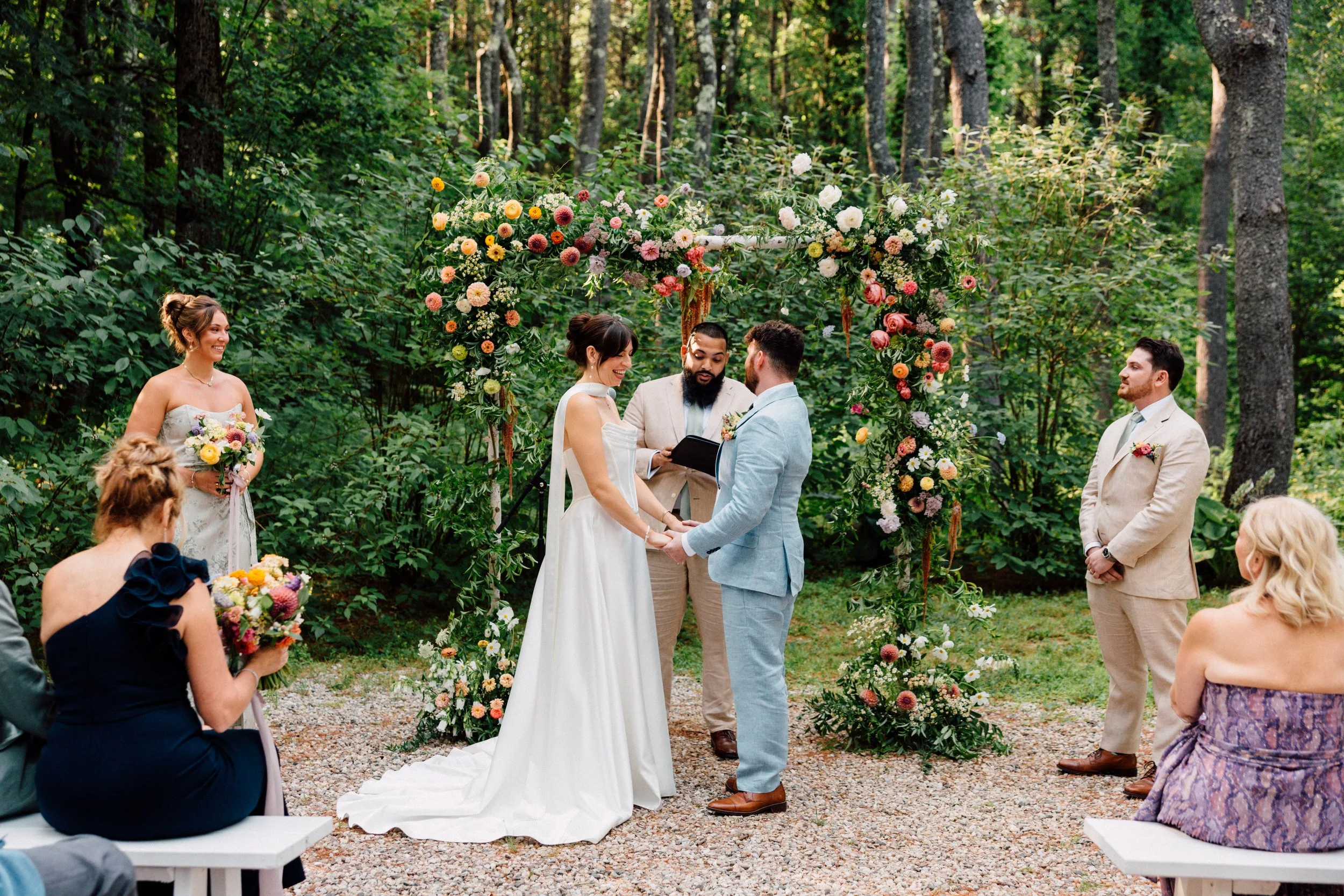
Photo by Yaritza Colon
Why Wedding Flowers Cost What They Cost
Wedding flowers are not a simple product. They’re not “just flowers” as many people assume is the case. This is not meant to judge that mindset (you’ve likely never planned a wedding before so how would you know!). Wedding flowers are a service, an art form, and a logistical operation all rolled into one. When you invest in wedding florals, you’re paying for much more than stems.
Here’s what goes into the final price:
1. The Flowers Themselves
Flower costs fluctuate seasonally and annually. Availability, weather, growing conditions, and global supply chains can all impact pricing. Specialty blooms, out-of-season flowers, and color-specific requests typically increase costs. Since we grow most of our own flowers, we are fortunate in that some of these factors don’t impact us, but we also spend a lot of time and money growing the flowers so our cost is often the same, if not more expensive, as importing flowers. We work with high quality flowers (never just the cheapest stems), because we believe the best designs start with the best ingredients.
2. Design Expertise
Floral design is skilled, creative labor. From translating inspiration into a cohesive plan, to mechanics, color theory, and scale, a floral designer is crafting a custom visual experience often months or even a year plus before your wedding day. There are so many elements that go into executing a custom design, we’re not just throwing random flowers in a vase and calling it a day.
3. Labor (Before, During, and After Your Wedding)
Labor is one of the largest cost drivers. This includes:
Recipe development and planning
Growing and harvesting flowers and sourcing additional stems when needed
Processing and conditioning stems
Designing arrangements
Configuring mechanics, vessels and other materials
Delivery, installation, and on-site styling
Breakdown, cleanup, and returns
A single wedding often represents 20-40+ hours of labor across multiple days in the design process and execution, not to mention actually growing the flowers. Since we are often selecting specific varieties and colors for our couples, we’re planning out many months in advance and then nurturing those flowers all season. It’s a true labor of love, and pricing reflects the time that goes into the planning as well as what we’re paying our team.
4. Hard Goods & Mechanics
Vessels, arches, urns, ribbon, pins, cuffs, foam-free mechanics, candles, and structural elements all factor into pricing. Even when items are rented, they require maintenance, cleaning, storage, transport, and replacement over time.
5. Business Costs
This is not just a hobby for our family, it is our livelihood. We take it seriously, we pay our team a living wage, and we price services in order to stay in business. Behind the scenes are real operating expenses: seeds, studio space, vehicles, insurance, tools, software, refrigeration, supplies, payroll, and taxes. These costs ensure we can keep growing the best quality flowers, and our designers can show up prepared, insured, and dependable.
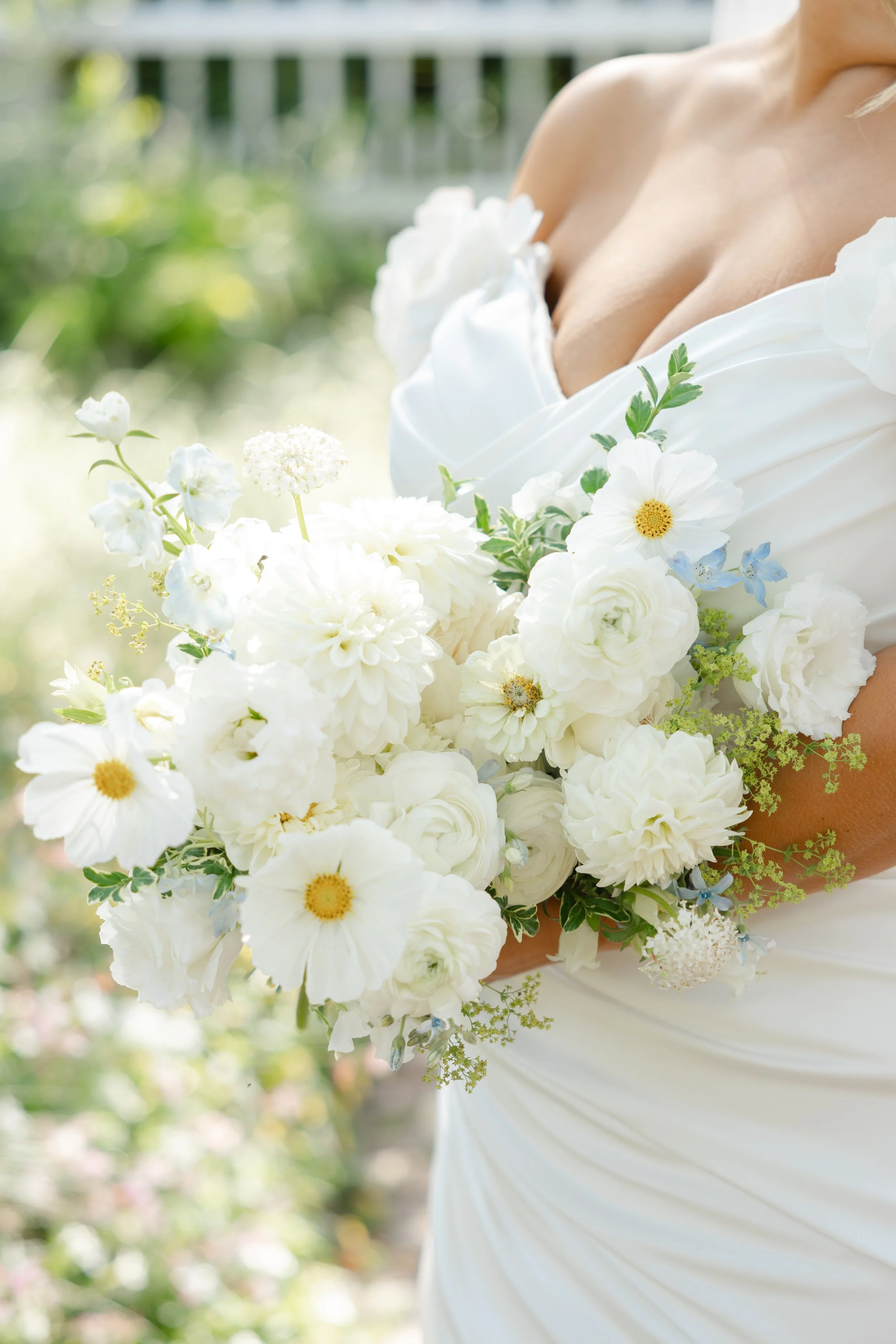
Photo by Lia Rose Weddings
Our Philosophy on Wedding Flower Pricing
At Nowadays, we approach wedding florals as both art and agriculture.
We grow most of our flowers right here on our farm, supplementing with trusted growers when needed. This allows us to prioritize:
Seasonal beauty
High-quality, fresh blooms
Sustainable growing and design practices
Thoughtful, intentional arrangements with meaning and personal touches
Our pricing reflects:
Fair wages for skilled labor
Honest sourcing costs
Sustainable business operations
Design that feels abundant, natural, and emotionally resonant
We believe transparency builds trust, and better weddings.
What You Can Expect From Our Pricing Structure
While every wedding is custom, our pricing generally includes:
Expert floral design tailored to your venue, season, and vision
All flowers and greenery (grown by us as much as possible)
Design labor and studio time
Delivery, installation, and breakdown
Use of vessels, candles, mechanics, and structures (where applicable)
Planning and logistical communication leading up to your day
Most of our full-service wedding clients invest between $6,000–$12,000, depending on scale and complexity. We also offer smaller-scale, a la carte options for more intimate celebrations below the minimum $6,000 investment (more on that below).
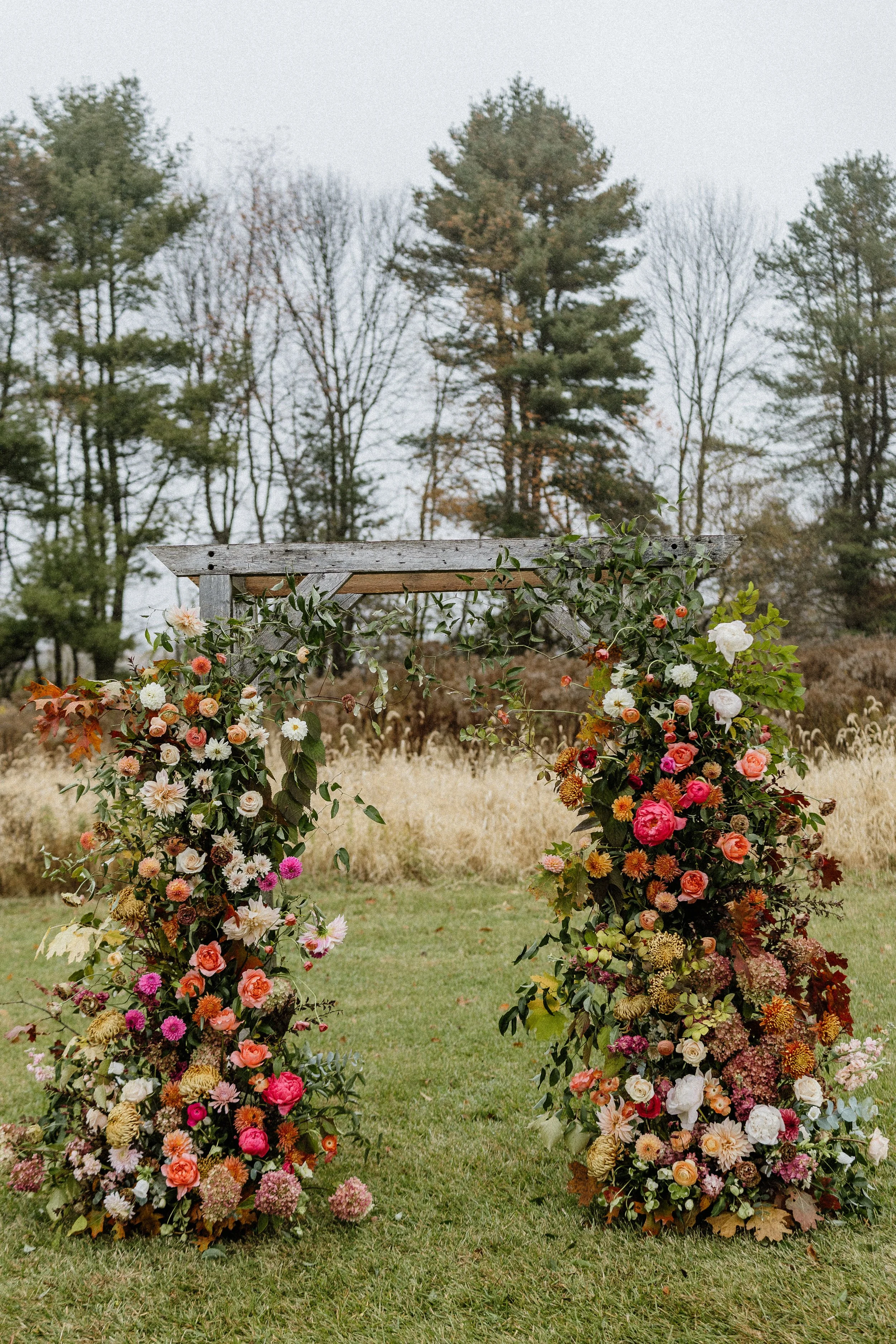
Photo by Mat & Ash
Sample Wedding Flower Budgets
I’m a visual person, and find it helpful to see things laid out clearly. So below are a few example budgets using our typical pricing structure, if it’s helpful for you too. These are meant to guide expectations, not act as exact quotes. There are so many factors that impact pricing (number of guests, bridal party size, and location for travel usually being the biggest ones) and everything is custom, so don’t cling too tightly to the guests counts below! You may have a small guest count but want a lush ceremony installation, or vice versa you have a lot of guests and a large bridal party but don’t need a lot of ceremony flowers.
Sample Budget: $6,000–$8,000
Ideal for: Approximately 85-125 guests
May include:
Bridal bouquet, groom boutonniere + wedding party personals for 4-6 attendants
Ceremony arch or partial installation
2 Aisle markers or meadow-style ceremony flowers
10–12 guest table centerpieces or bud vase clusters
Sweetheart or head table design
Welcome table or bar arrangement
Seating chart arrangement or design
Design services, delivery, installation, breakdown and taxes
Sample Budget: $8,000–$10,000
Ideal for: Approximately 120-175 guests
May include:
Bridal bouquet, groom boutonniere + expanded wedding party flowers
Ceremony installation or floral arch
4 Aisle markers or meadow installations
12–18 guest table designs
Statement head table or sweetheart table installation
Bar, welcome, seating card/chart florals
Potentially tent or ceiling greenery (depending on scale)
Design services, delivery, installation, breakdown and taxes
Sample Budget: $10,000–$12,000
Ideal for: Approximately 175-225 guests
May include:
Bridal bouquet, groom boutonniere + expanded wedding party flowers
Large-scale ceremony installation or full floral arch
Full Aisle flowers or meadow installations
18–22 guest table designs
Statement head table or sweetheart table installation
Bar, welcome, seating card/chart florals
Tent/tent poles and/or ceiling greenery
Design services, delivery, installation, breakdown and taxes
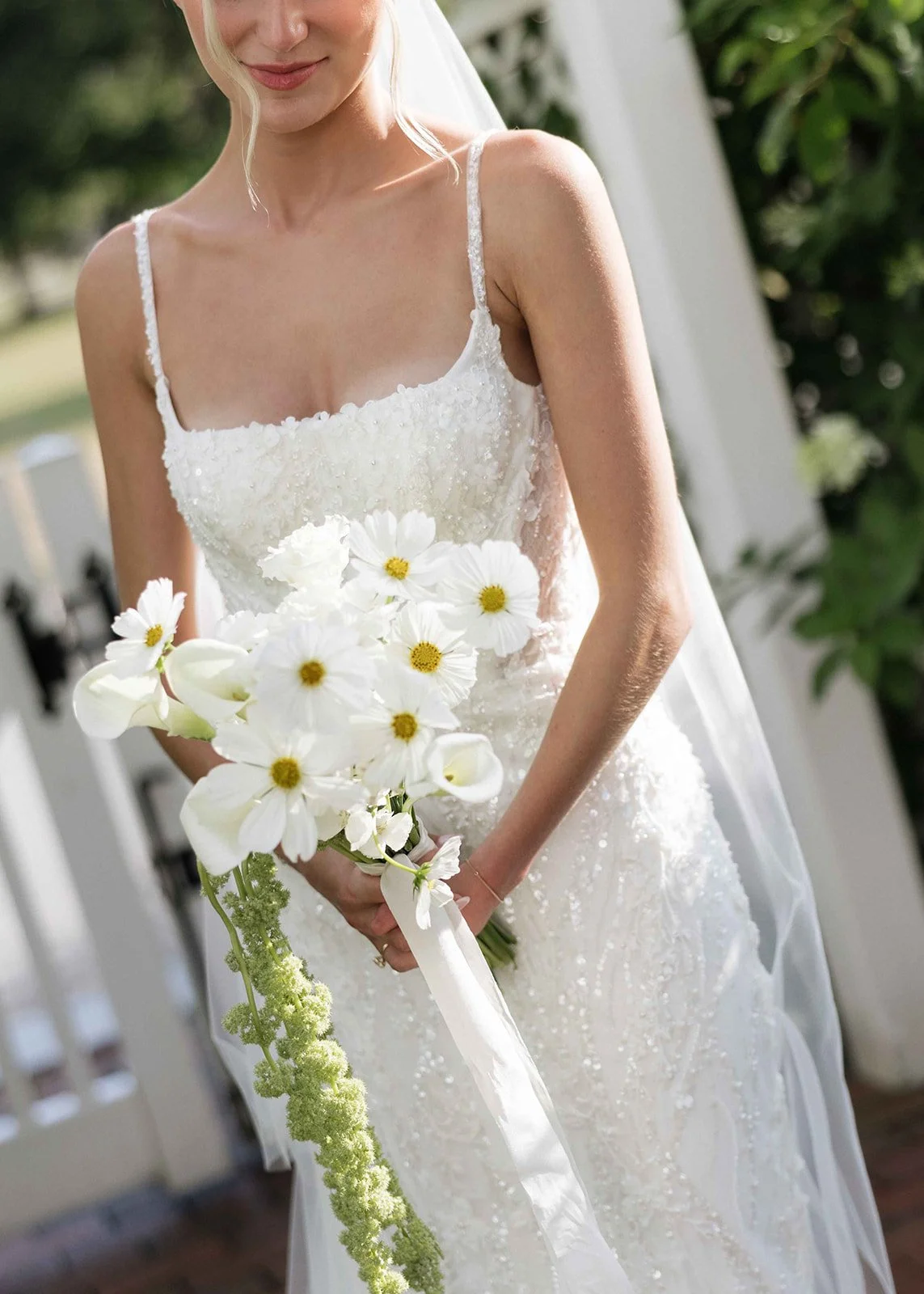
Photo by Hannah Grich
A Note On Our Minimum Investment
To provide the level of care, creativity, and service we’re known for, we require a minimum floral investment of $6,000 for full service weddings.
This minimum allows us to put all of our energy and focus into fewer weddings, so we’re not spread too thin or producing less than our best possible work, and can keep the business sustainable.
If your floral needs are below this minimum, we’re happy to recommend simpler options or alternative approaches that may be a better fit through our a la carte service. This option doesn’t include custom design or setup, but we do offer delivery for an additional cost. The reason we don't offer set up with a la carte is that it allows us to still create beautifully designed flowers for weddings that don't require the full service minimum, without needing our design team to be working for the set up and having to completely block off the dates.
A Few Helpful Things to Consider
Seasonality matters. Trusting your florist’s seasonal flower recommendations can significantly stretch your budget, as opposed to trying to source out of season, hard to obtain flowers (for example, peonies in September, or hydrangeas in April).
Fewer, larger moments often make more impact than tons of small arrangements or personal flowers. Think about the photographs you’ll cherish most: your first look, walking down the aisle holding your bouquet, your first kiss at the ceremony spot, where you’ll be sitting during toasts.
Clear priorities lead to better design. Tell us what matters most and we’ll guide the rest. If you don’t really care about tons of boutonnieres and corsages, that’s totally fine (in fact, I say save your budget!). Just because they’re traditional doesn’t mean you need to have them. We’ll also talk about ways to stretch your budget by repurposing flowers from the ceremony space to the reception.
Flowers are ephemeral. Their beauty lies in the experience they create, not their longevity. Of course flowers will die, but that doesn’t mean you shouldn’t value them in your budget, if the feeling, the aesthetic, and the ambiance of the day matters to you.
Think about how YOU want to feel on your wedding day. Doing your own flowers is a great option, IF you have the time and the help. It requires more than just running to Trader Joe’s: it’s the planning, the vases, the prep, the execution, the clean up… and this is all assuming TJ’s has the flowers and colors you want to work with. Can you do it? Of course! But I always advise couples to think about how they want to feel on their wedding day. Stressed out with a long to-do list and no time, or relaxed and excited, enjoying a day that is designed and set up for them so they can be fully present. I say this as a florist and as a bride who did her own flowers (and regrets it!).
If our approach resonates with you, we’d love to hear about your plans. Wedding flowers should feel intentional, beautiful, and deeply aligned with your day, and we’re here to help you create exactly that.
Learn more and get started here!
Photo by Julia Wake